
Toulouse-Lautrec’s The Toilette: analysis and pictorial reading
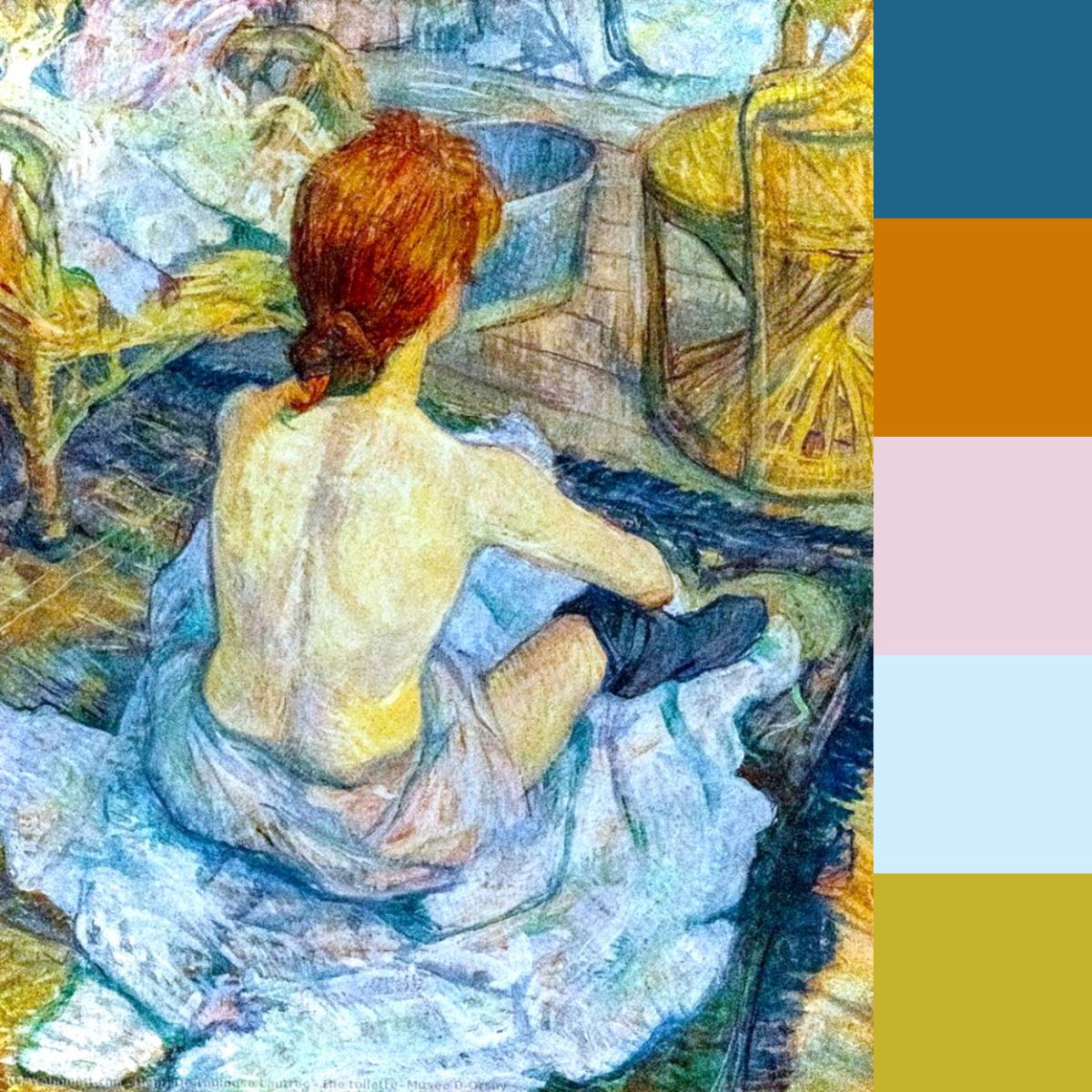
Exhibited in 1896, The Toilette reveals Lautrec’s sensitivity to feminine intimacy. Far from academic ideal, he paints truthful immediacy. Realism, tenderness, and modernity blend into a humane gaze.
This work may also be reproduced as a hand-painted copy, based on the original and respecting its color and composition.
Visual reading and composition
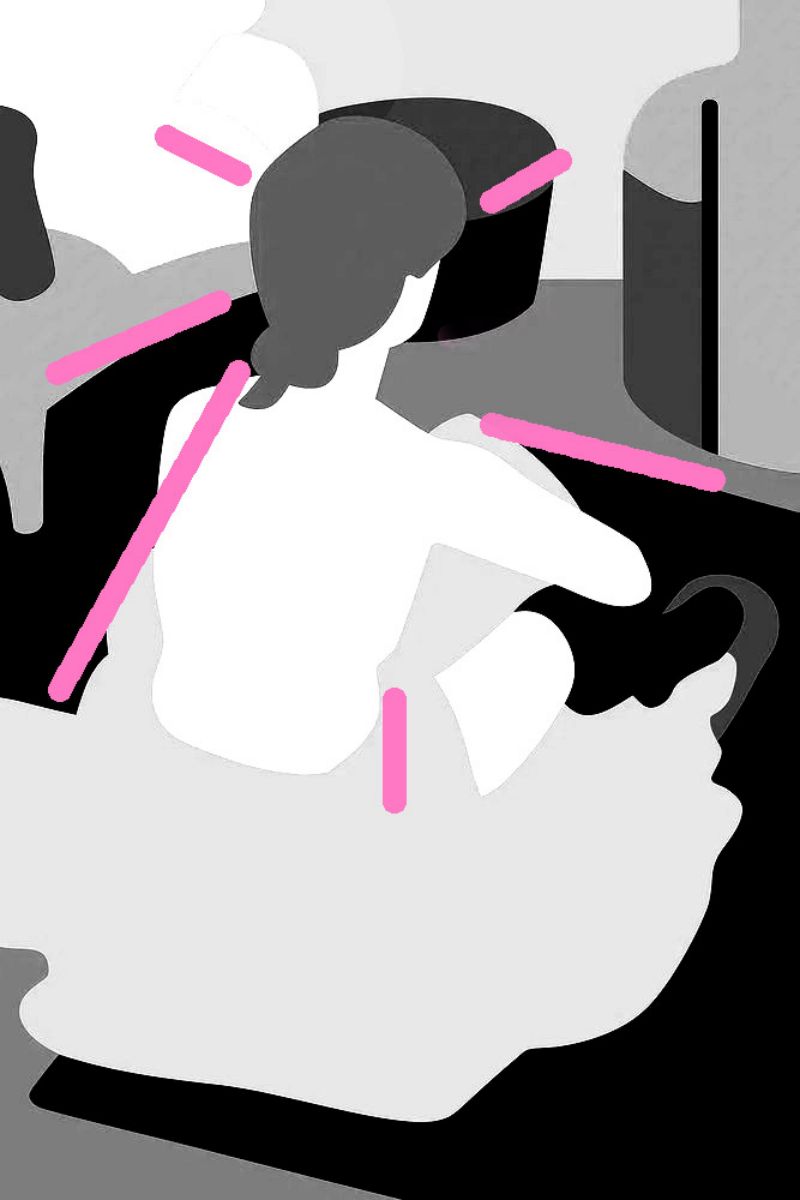
Values oppose the body’s clarity to the darkened room. This hierarchy sets the focal point on the nude figure, discreetly framed by setting lines. Rounded, supple forms converse with denser masses. Balance between sharp edges and soft zones gives the scene breath and naturalness.
Unity of light, focus, and soft contours
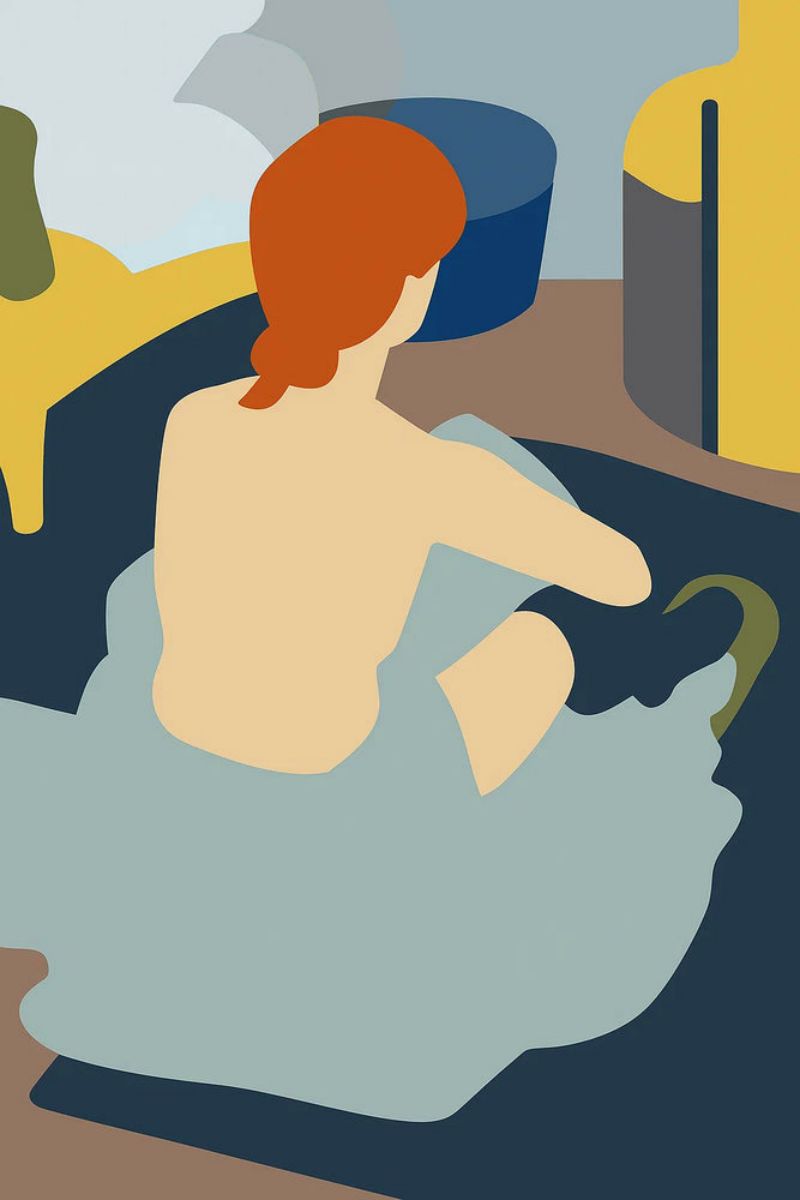
The rounded silhouette contrasts with compact surroundings, intensifying the focal point. Guiding lines return the eye to the body. Simplified shapes, sometimes fused into the décor, create a sober yet expressive rhythm.
Atmosphere of simplicity and truth
Contrasted values, clear focal point, and varied forms create proximity and humanity. A daily act becomes poetic image where sincerity outweighs artifice.
A copyist’s eye
Copying The Toilette is painting truth without makeup. Light should reveal flesh without flattery; shadows stay light to preserve softness. The brush moves modestly with the model’s calm gesture. Drawing leads form, but matter gives life. Lautrec does not seek beauty: he paints presence with modesty and rightness.
This pictorial approach also informs the copies of Henry de Toulouse-Lautrec’s works created in my studio.
Going Further
ARTISTE DE PARIS
Christian Denéchaud, artiste peintre
50 avenue des Champs Elysées
75008 Paris
SIRET 452248461
FR90452248461
.png?t=)
© Artiste de Paris . fr - 2026