
Rubens’ Self-Portrait with Isabella Brant: pictorial analysis and baroque reading
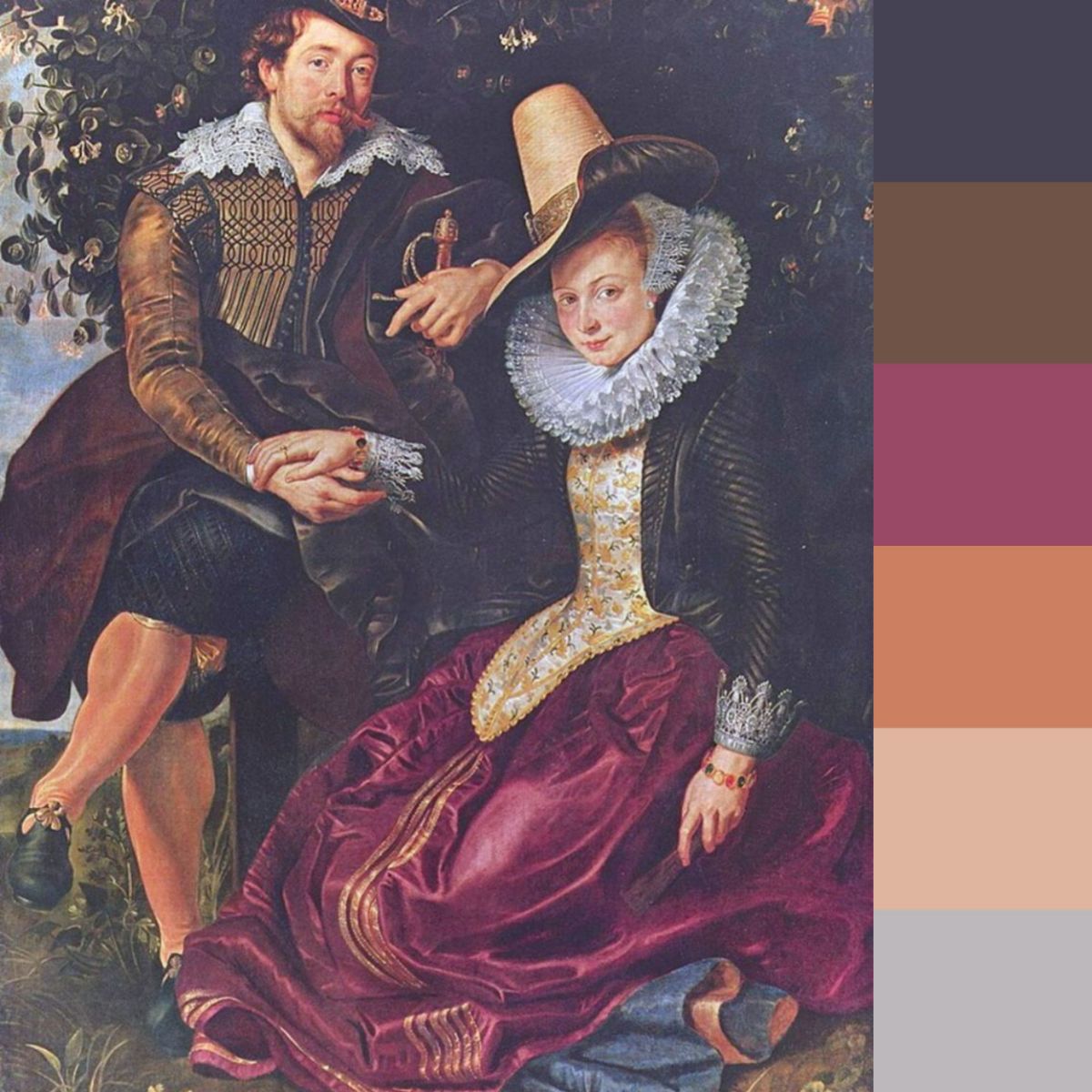
Painted in 1609, shortly after his marriage, Self-Portrait with Isabella Brant is among Rubens’ early masterpieces. Blending portrait and genre scene, it showcases his mastery of light, intimacy, and human connection. The painting celebrates conjugal harmony and serene nobility.
This work may also be reproduced as a hand-painted copy, based on the original and respecting its color and composition.
Visual reading and composition
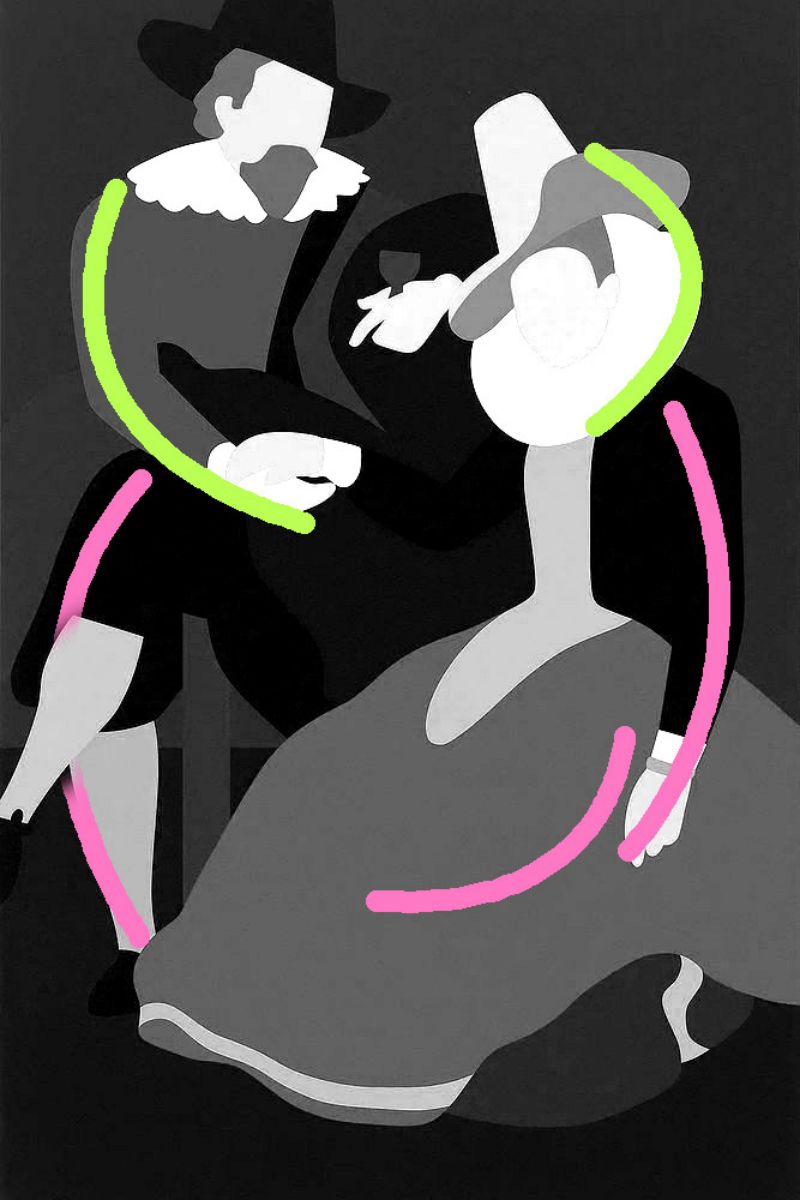
Values contrast the light of faces and hands with the dark garments and background. This sculptural lighting centers attention on the couple. The diagonals of arms and the tilt of heads create a soft rhythm uniting the figures. The solid, balanced composition rests on complementary light and shadow, expressing calm intimacy.
Focal point and gaze organization
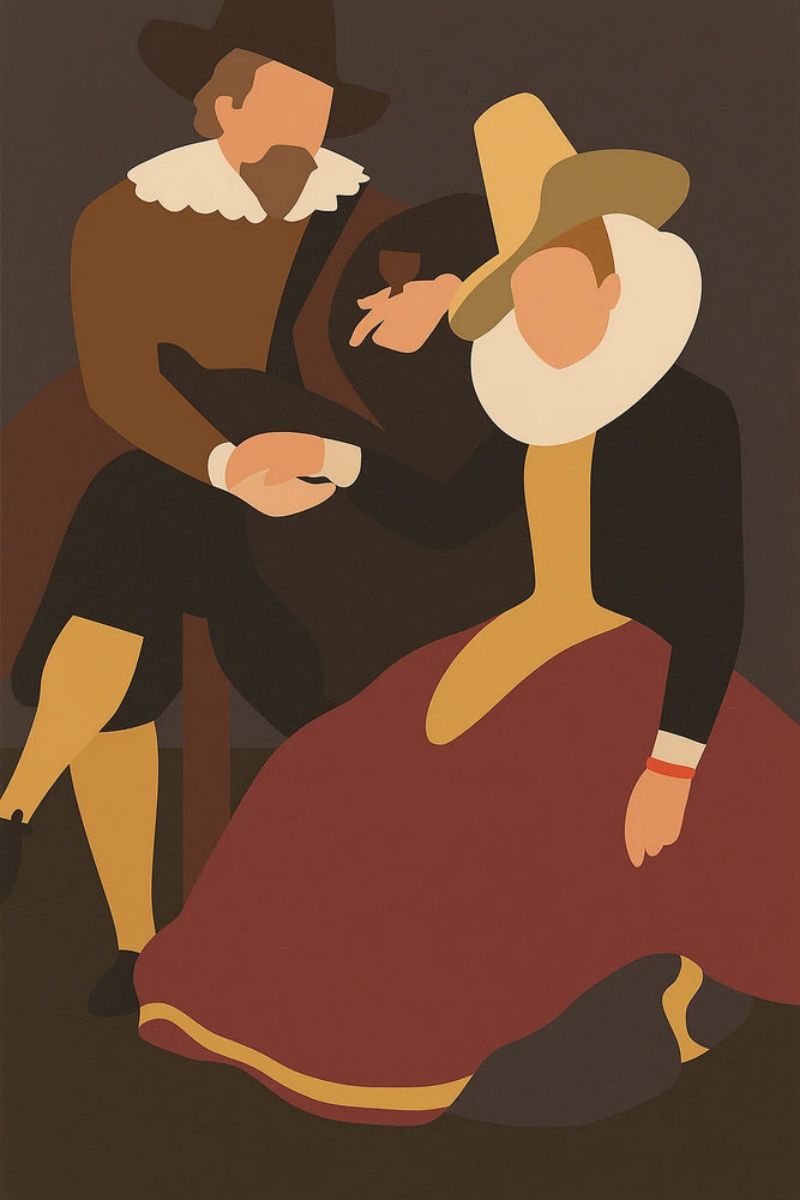
The focal point centers on the seated couple, their silhouettes merging into a single form. The arms’ diagonals and the head tilts strengthen their closeness. Furniture and accessories frame them subtly, guiding the eye toward their union.
Atmosphere and meaning
Through contrasts of value, focused faces, and firm form, Rubens conveys baroque harmony and grace. The work transcends likeness to celebrate vitality and affection, transforming private tenderness into a universal image of union.
A copyist’s eye
Copying this Rubens means rediscovering embodied light. Flesh tones are built through fine layers, alternating warmth and transparency. The hand follows the roundness of the drawing while keeping baroque suppleness. Each tone answers another in calm rhythm. In painting, one feels Rubens isn’t portraying a couple — he’s painting an inner unity illuminated by tenderness itself.
This pictorial approach also informs the copies of Peter Paul Rubens’s works created in my studio.
Going Further
ARTISTE DE PARIS
Christian Denéchaud, artiste peintre
50 avenue des Champs Elysées
75008 Paris
SIRET 452248461
FR90452248461
.png?t=)
© Artiste de Paris . fr - 2026