
Sargent’s Carnation, Lily, Lily, Rose: pictorial analysis and impressionist reading
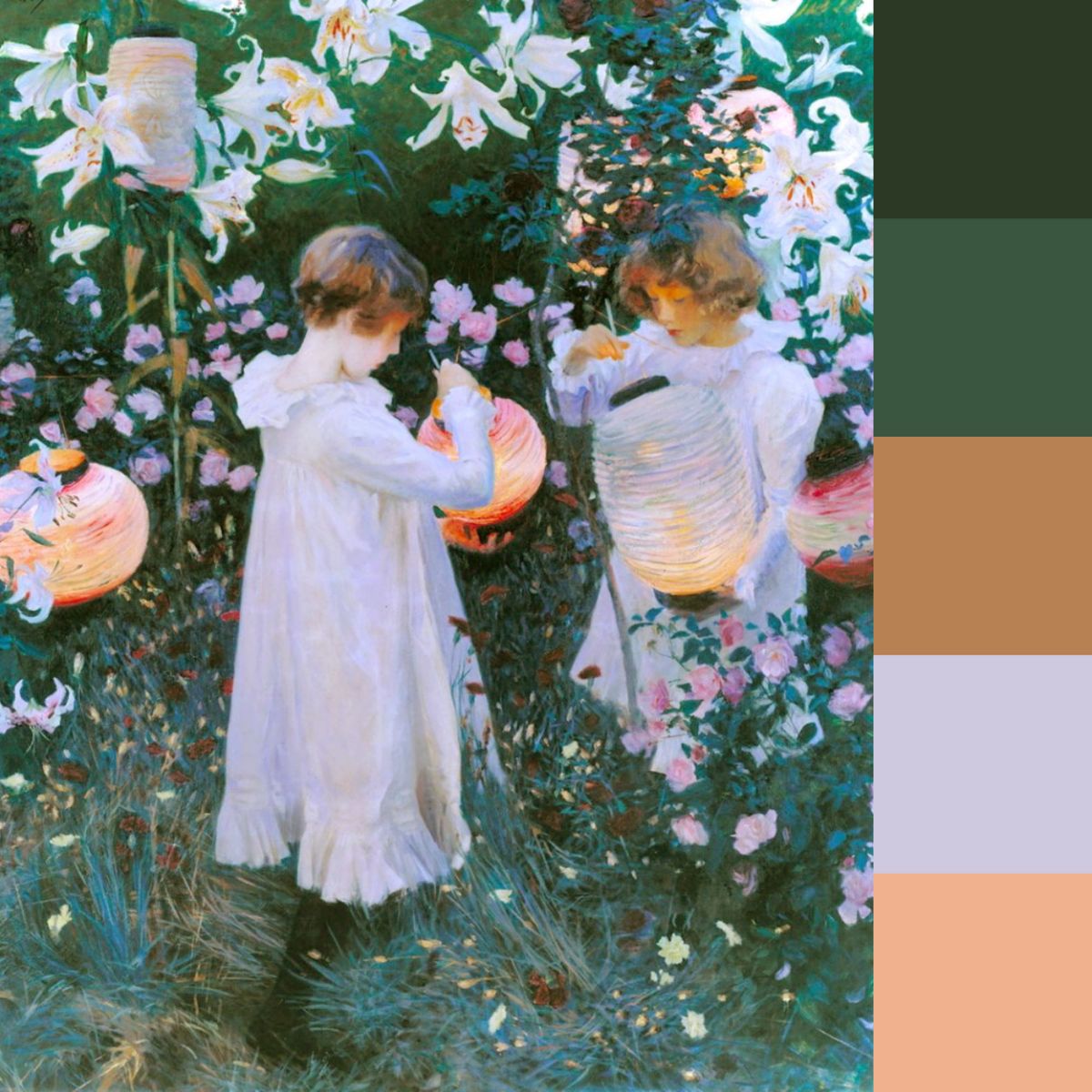
Painted between 1885 and 1886 in Broadway, Carnation, Lily, Lily, Rose marks a major moment in Sargent’s work. Inspired by evening light and Japanese lanterns, he composed a childhood scene suspended between realism and Impressionism. Two young girls light lanterns among lilies — a fragile instant caught in golden dusk.
This work may also be reproduced as a hand-painted copy, based on the original and respecting its color and composition.
Visual reading: values and composition
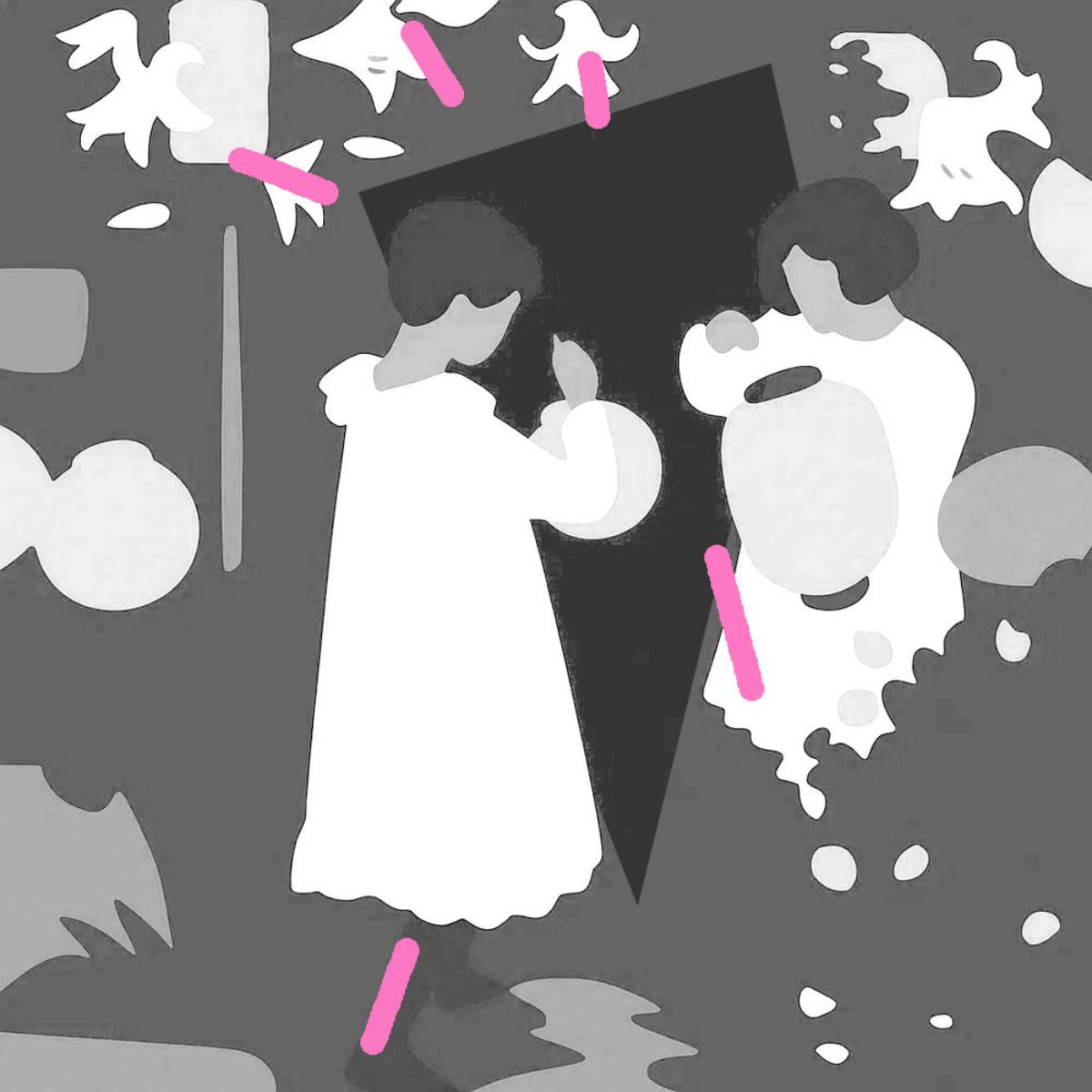
The values revolve around the glow of the lanterns, illuminating the girls’ faces and dresses. The dark vegetal background acts as a setting, while the vertical lilies and circular lights structure the space. Sargent worked at dusk, only a few minutes per session, to capture the exact vibration between day and night. The whole rests on a calm balance where light becomes substance.
Focal point and eye movement
The focal point lies between the girls, around the central lantern. Its clarity radiates toward their faces and spreads through the flowers. The arms and lilies guide the gaze in a gentle rhythm, without rupture. The repetition of light sources creates a visual cadence in which light alone organises the scene.
Atmosphere and visual message
With muted values, a luminous focal point and supple forms, Sargent paints emotion more than motif. Light becomes breath and silence, translating the poetry of an instant. The work blends observation and reverie: a meditation on perception, between childhood and twilight.
A copyist’s eye
Copying this Sargent means seeking vibration before detail. Whites must breathe with rosy reflections, and lanterns retain their translucence. The modelling forms through soft transitions, without outlines. A supple gesture preserves the floating light. One then understands that Sargent is not describing the scene — he is painting light itself.
This pictorial approach also informs the copies of John Singer Sargent’s works created in my studio.
Going Further

ARTISTE DE PARIS
Christian Denéchaud, artiste peintre
50 avenue des Champs Elysées
75008 Paris
SIRET 452248461
FR90452248461
.png?t=)
© Artiste de Paris . fr - 2026