
Ingres’s Grande Odalisque: pictorial analysis and Neoclassical reading
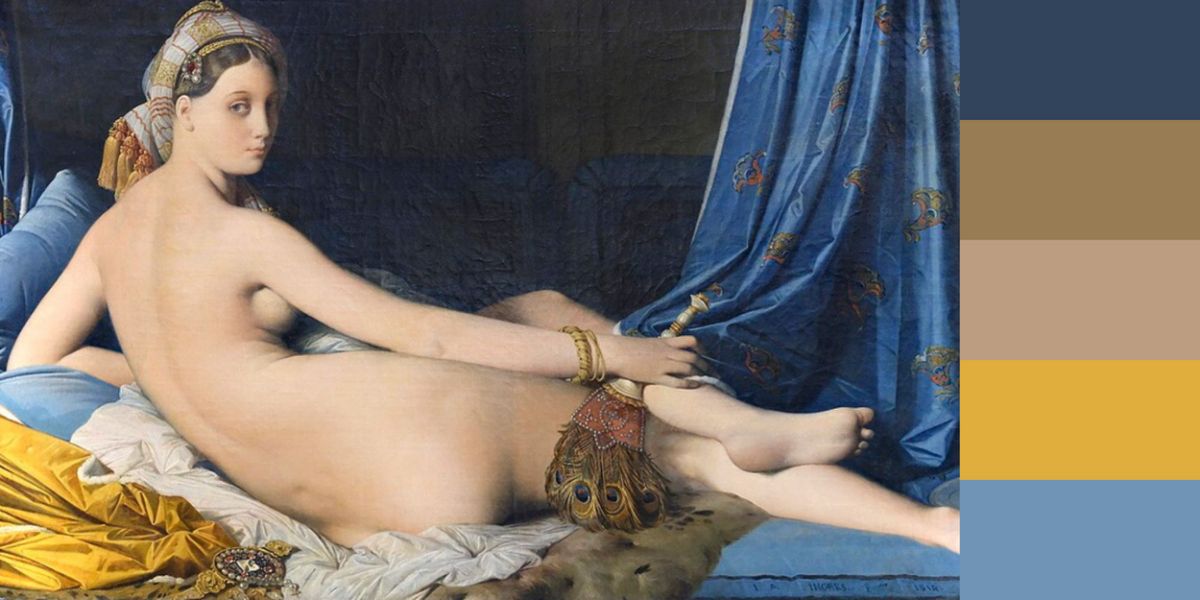
Presented in 1814, La Grande Odalisque was commissioned by Caroline Murat, Queen of Naples. Ingres depicts an idealised nude inspired both by Raphael and by an imagined Orient. Criticised for its elongated proportions, the painting ultimately reveals the artist’s pursuit of a cold, abstract beauty shaped by calculated softness of light.
This work may also be reproduced as a hand-painted copy, based on the original and respecting its color and composition.
Values and modelling
The delicate values of the nude contrast with the darker background and dense fabrics. This muted chiaroscuro sculpts the figure while maintaining tonal continuity. Almost imperceptible transitions create smooth, silent modelling. The whole rests on a balance between warm shadows and the idealised whiteness of the skin.
Focal point and staging of the female body
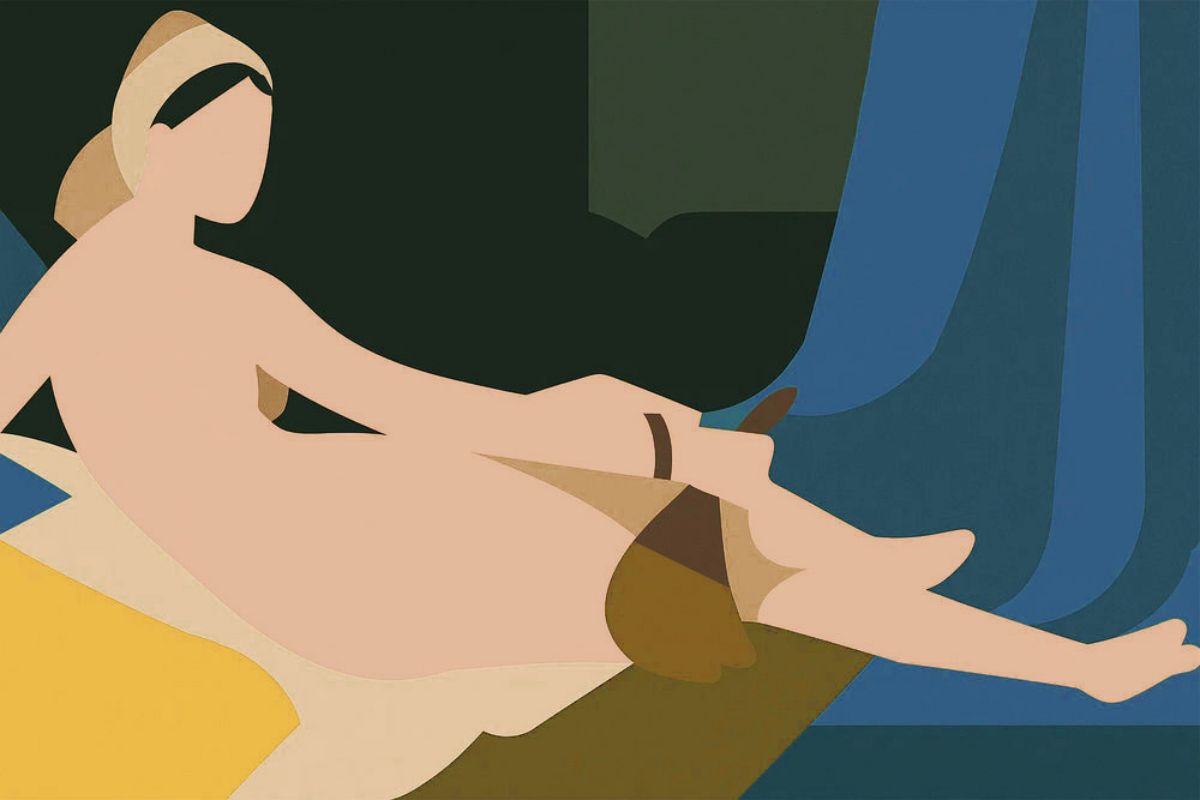
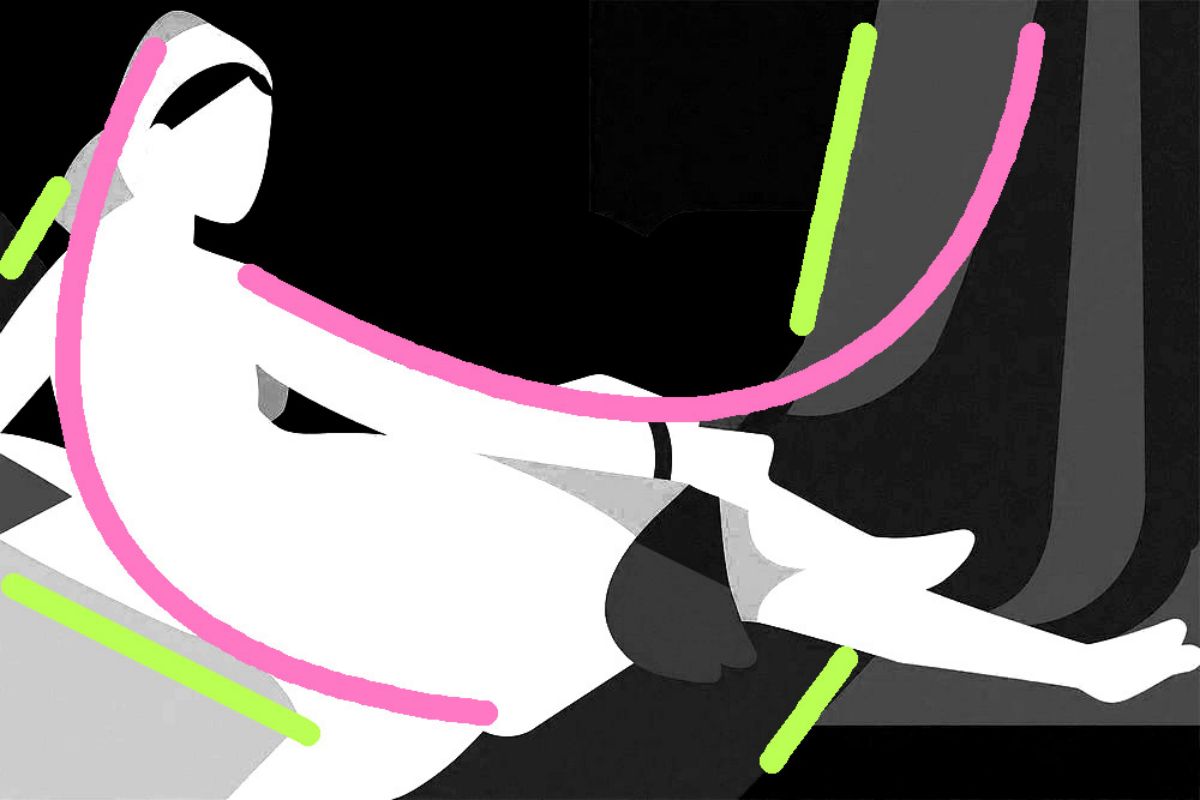
The focal point lies in the elongated bare back of the odalisque: its exaggerated length immediately draws the eye and embodies the painter’s idealisation. Draperies, headdress and oriental accessories frame the figure but remain secondary, enhancing the presence of the body. Light travels gently over the forms and guides the reading.
Atmosphere and visual message of the work
Through controlled values, precise focal emphasis and elongated forms, Ingres seeks not anatomical realism but idealisation. The painting conveys both Neoclassical elegance and a fascination with Oriental exoticism. The odalisque becomes an timeless figure, where restrained sensuality expresses the artist’s quest for ideal beauty.
A copyist’s eye
Copying La Grande Odalisque means searching for perfect modelling without losing the softness of transitions. The skin requires patient layers of glazes and smooth blends to achieve the continuous surface where nothing breaks the flow. The composition centres on the extended back — the visual axis of the entire painting. While painting, one understands that Ingres is not celebrating flesh but the idea of beauty: a body transformed into pure drawing, detached from reality to reach the absolute.
This pictorial approach also informs the copies of Jean-Auguste-Dominique Ingres’s works created in my studio.
Going Further
ARTISTE DE PARIS
Christian Denéchaud, artiste peintre
50 avenue des Champs Elysées
75008 Paris
SIRET 452248461
FR90452248461
.png?t=)
© Artiste de Paris . fr - 2026