
Renoir’s Dance at Bougival: pictorial analysis and impressionist reading
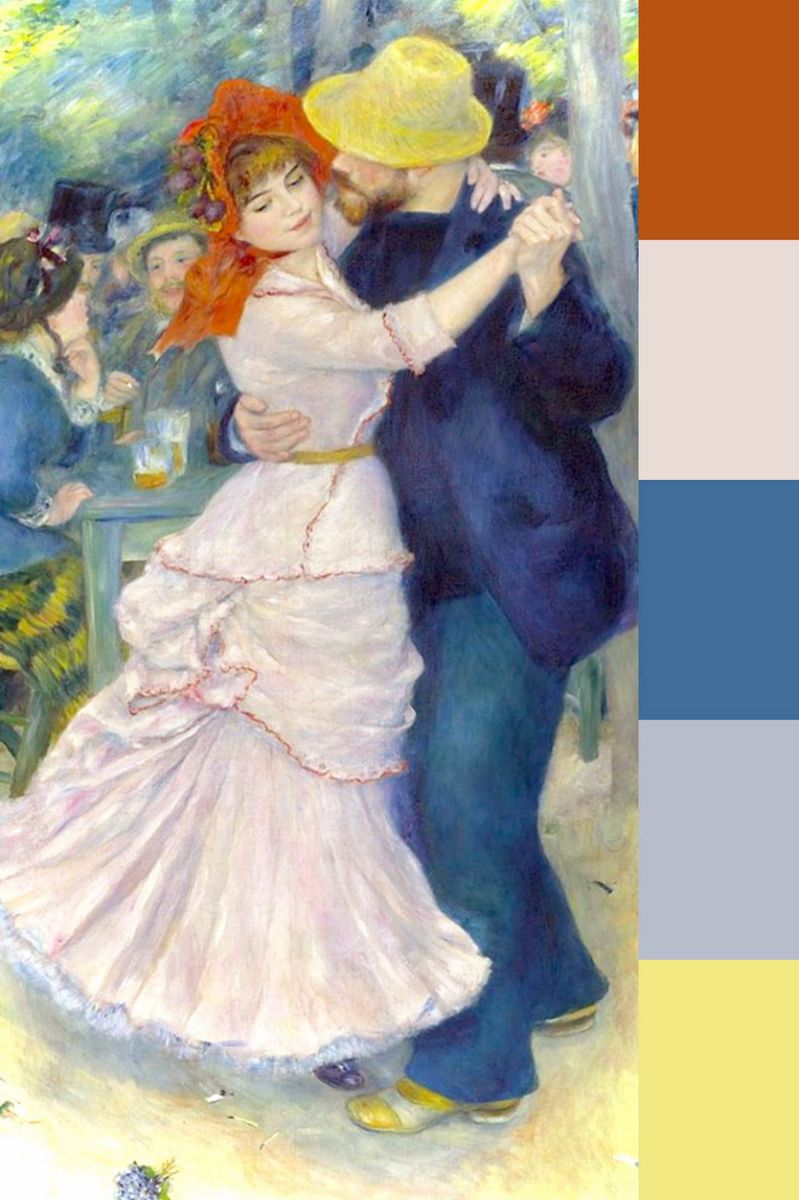
Painted in 1883, Dance at Bougival belongs to a series devoted to dance. After his Italian trip, Renoir blends modern observation with renewed classicism. He celebrates the joy of movement and the radiance of color, turning a popular scene into a visual symphony.
This work may also be reproduced as a hand-painted copy, based on the original and respecting its color and composition.
Visual reading and composition
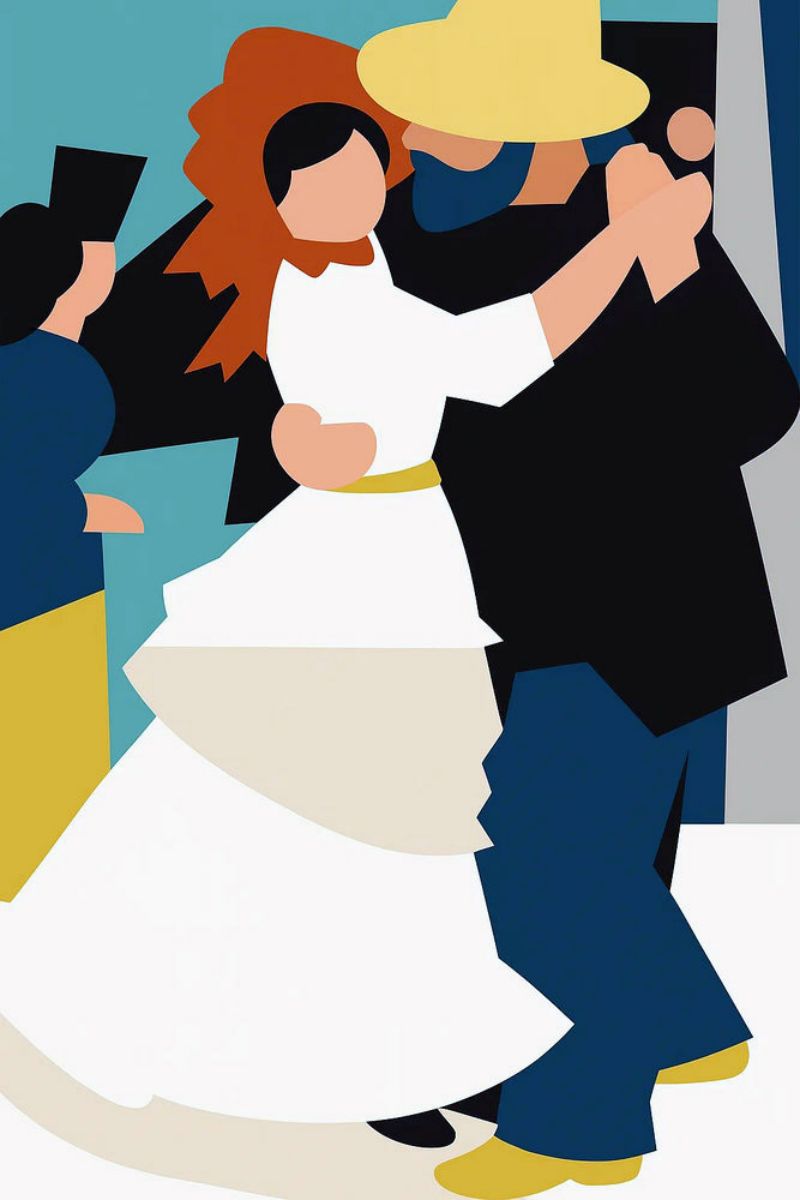
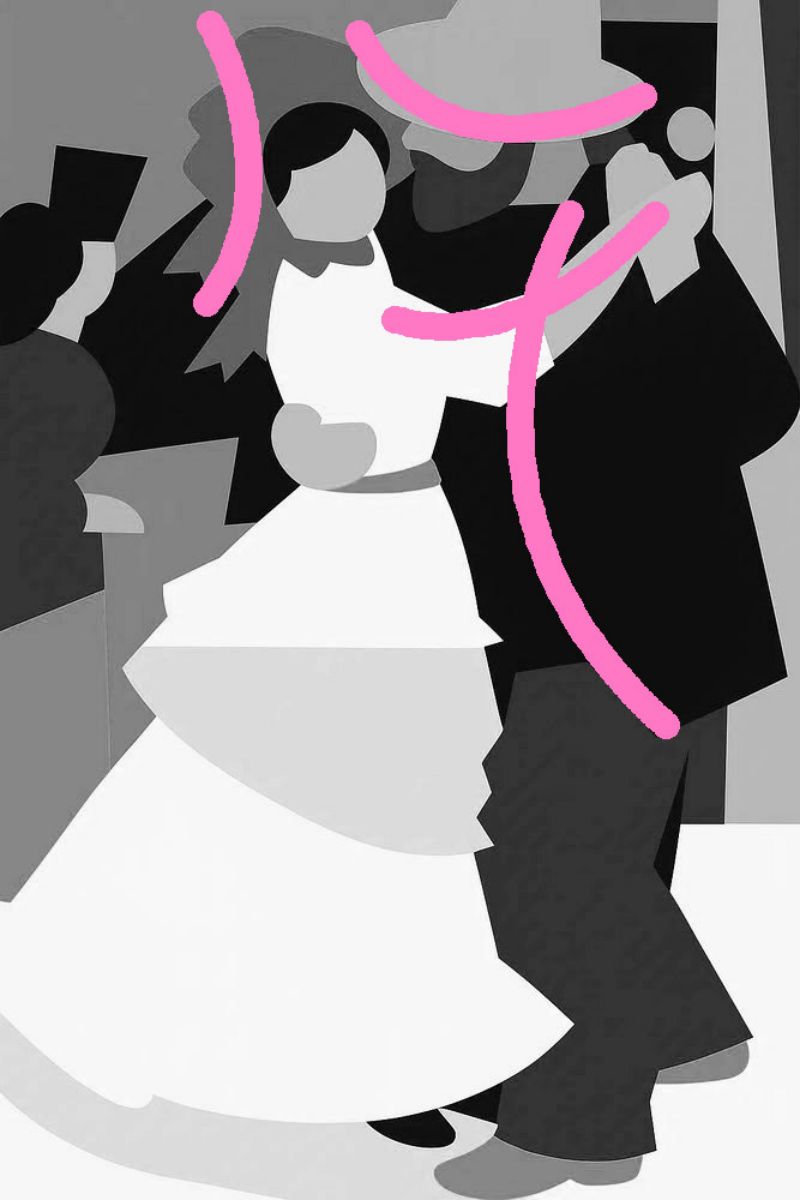
Values balance the dancer’s bright dress with the darker depth of the setting. The central couple catches the light, while brisk touches in the background sustain rhythm. Diagonals of arms and dress folds organize a turning motion that evokes rotation. The whole breathes Renoir’s lightness and vitality.
Focal point and compositional motion
The focal point lies on the couple, especially the illuminated face of the dancer framed by lively touches. Diagonals from arms, dress folds, and hat direction guide the gaze in a circular movement that conveys dancing energy.
Atmosphere and message
Through value organization, lighting of the couple, and dynamic forms, Renoir expresses a joyful celebration of modern life. Warmth, movement, and harmonious color embody the impressionist spirit.
A copyist’s eye
Copying Dance at Bougival means painting motion through color. Each touch stays alive, distinct yet linked. Warm tones of face and hat converse with the blues of the background; everything depends on the accuracy of these relations. The gesture follows the dance’s rhythm, supple yet precise. Renoir does not freeze an instant: he makes light pulse like a heartbeat.
This pictorial approach also informs the copies of Pierre-Auguste Renoir’s works created in my studio.
Going Further
ARTISTE DE PARIS
Christian Denéchaud, artiste peintre
50 avenue des Champs Elysées
75008 Paris
SIRET 452248461
FR90452248461
.png?t=)
© Artiste de Paris . fr - 2026