
Michelangelo’s Creation of Adam: analysis and pictorial reading
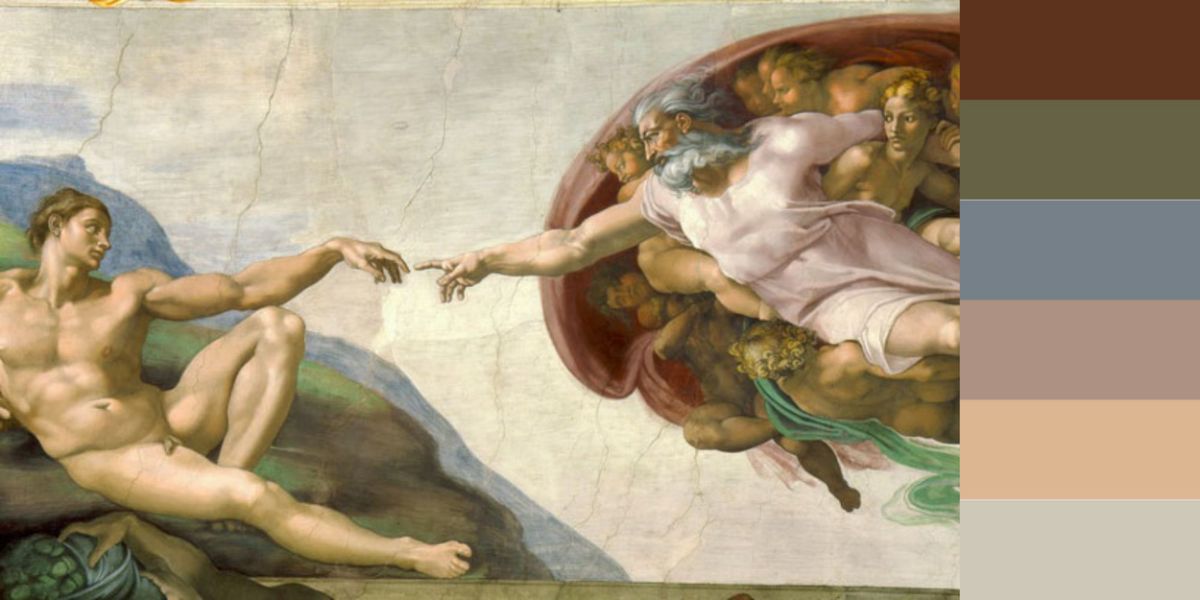
Painted around 1511 on the Sistine Chapel vault, The Creation of Adam remains one of the founding images of Western art. Michelangelo condenses the power of the human figure and the Renaissance’s spiritual tension. Through the sole meeting of gestures, he expresses the link between divine and human, condensing a whole theology into a suspended instant.
This work may also be reproduced as a hand-painted copy, based on the original and respecting its color and composition.
Clarity of values and relief of the figures
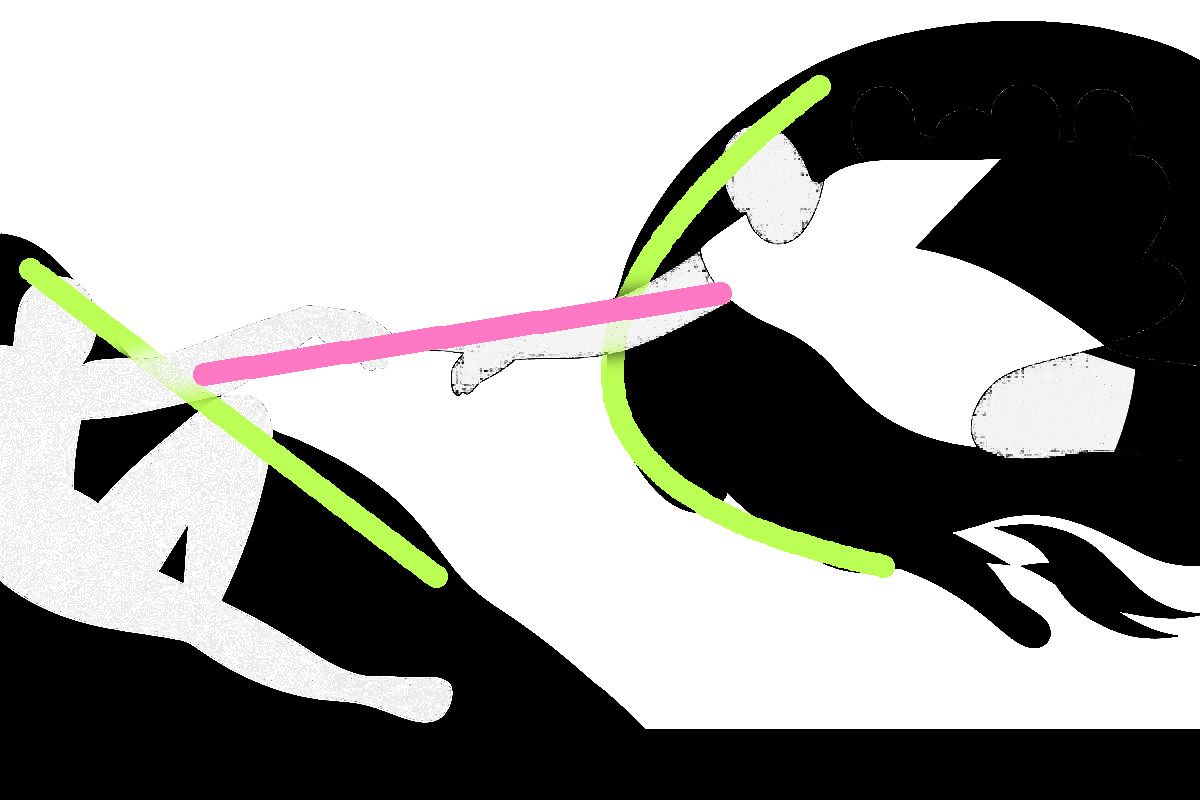
Values divide between the clear sky, the luminous volumes of bodies, and the darker zones of drapery and angels. This contrast structures space and emphasizes the focal point: the infinitesimal gap between the fingers of God and Adam. Light, diffuse yet directional, models the bodies with sculptural rigor. Each figure detaches like an animated statue, granting the whole a silent monumentality.
Balance of forms and the composition’s dynamics
The composition balances perfect horizontality with diagonal tension. On the left, Adam reclines with earthly weight; on the right, God surges upward, surrounded by angels and borne by the divine mantle. The focal point intensifies through the crossed direction of arms and gazes, creating maximal visual and spiritual tension. Powerful, simple volumes reflect Michelangelo’s architectonic thought: energy contained in form.
An atmosphere of impulse and revelation
The suspended meeting of the two hands becomes a symbol of the origin of life and consciousness. The play of values, construction of forms, and tension of gesture translate the moment when spirit awakens in flesh. The fresco expresses divine grandeur through human dignity—union of body and soul, visible and invisible.
A copyist’s eye
Copying The Creation of Adam means facing the absolute balance between drawing and breath. Every shadow must remain transparent; every light, breathing. The danger is to lose tension: the void between the fingers must live like a flame. In painting, one understands that Michelangelo does not represent contact—he paints the instant when life is about to begin.
This pictorial approach can be found in the hand-painted reproductions created in the studio.
Going Further

ARTISTE DE PARIS
Christian Denéchaud, artiste peintre
50 avenue des Champs Elysées
75008 Paris
SIRET 452248461
FR90452248461
.png?t=)
© Artiste de Paris . fr - 2026