
Manet’s A Bar at the Folies-Bergère: pictorial analysis and modern reading
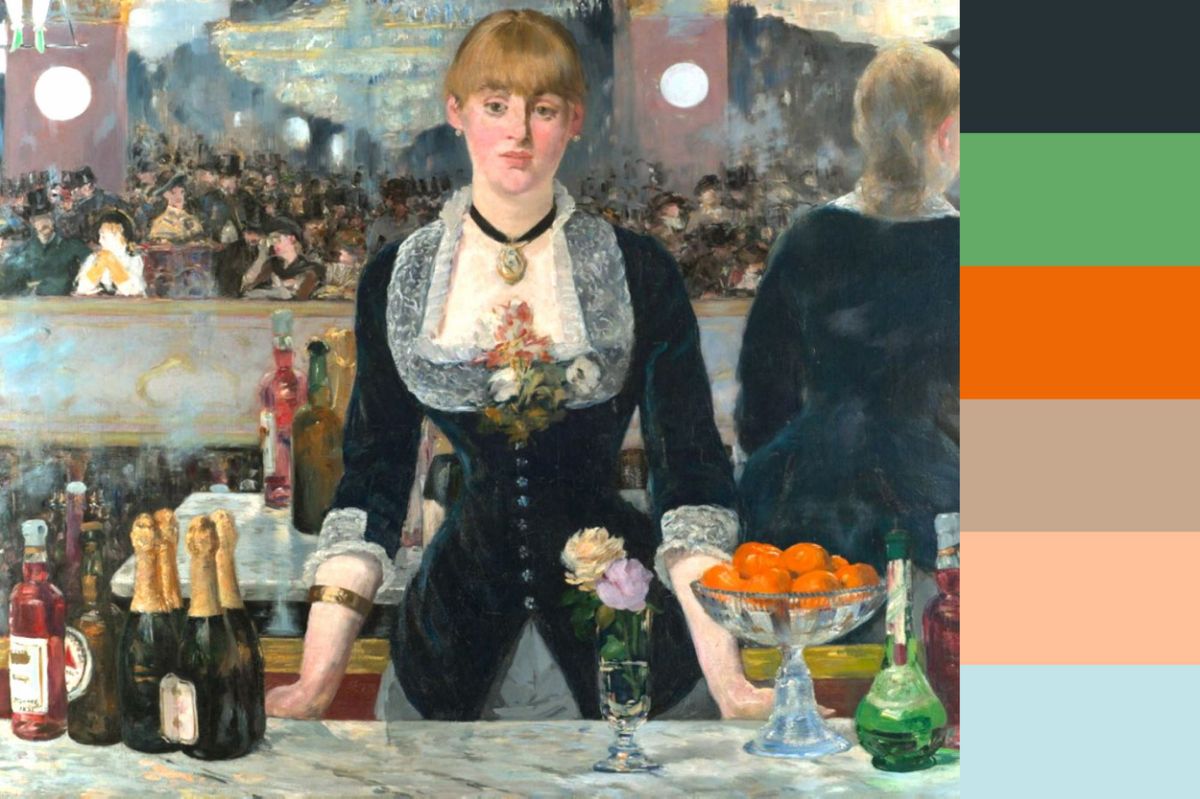
Exhibited in 1882, A Bar at the Folies-Bergère marks one of Manet’s final masterpieces. The artist captures modern life through the isolated figure of a barmaid surrounded by bustle. The scene, based on a real Parisian venue, becomes both a mirror of society and a meditation on perception and representation.
This work may also be reproduced as a hand-painted copy, based on the original and respecting its color and composition.
Visual reading and composition
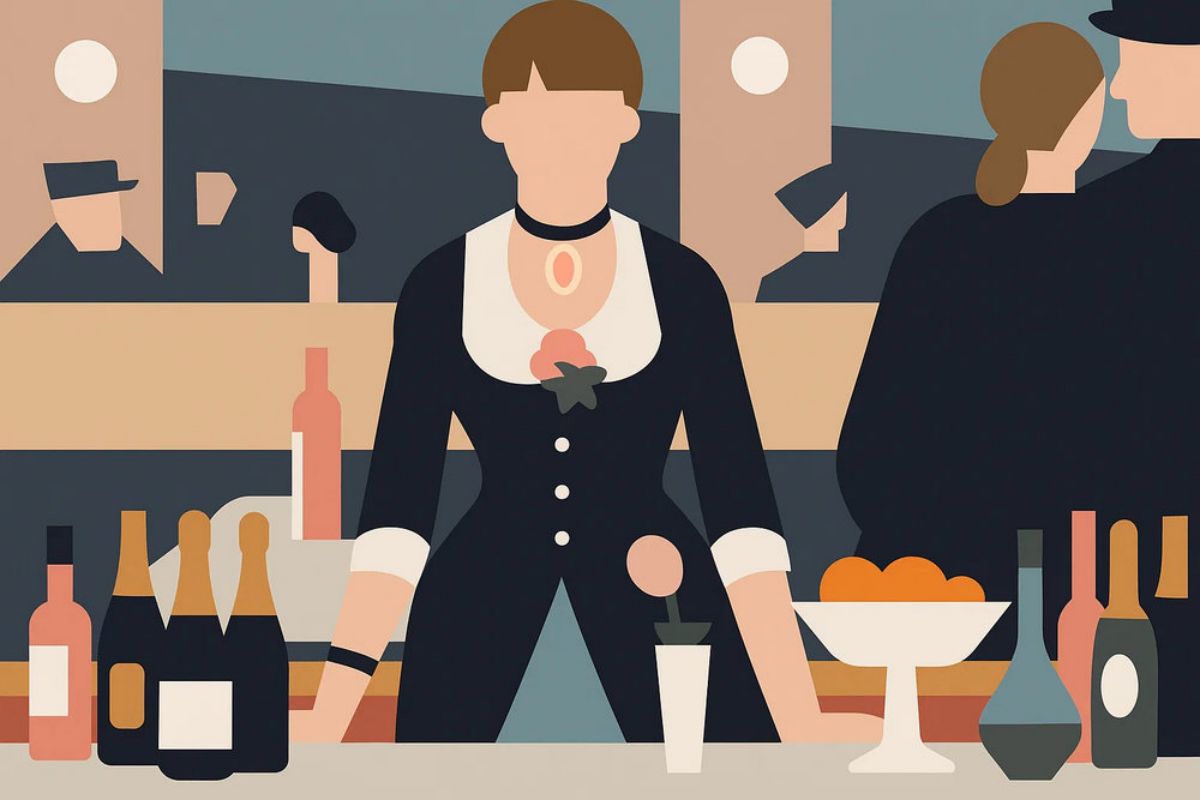
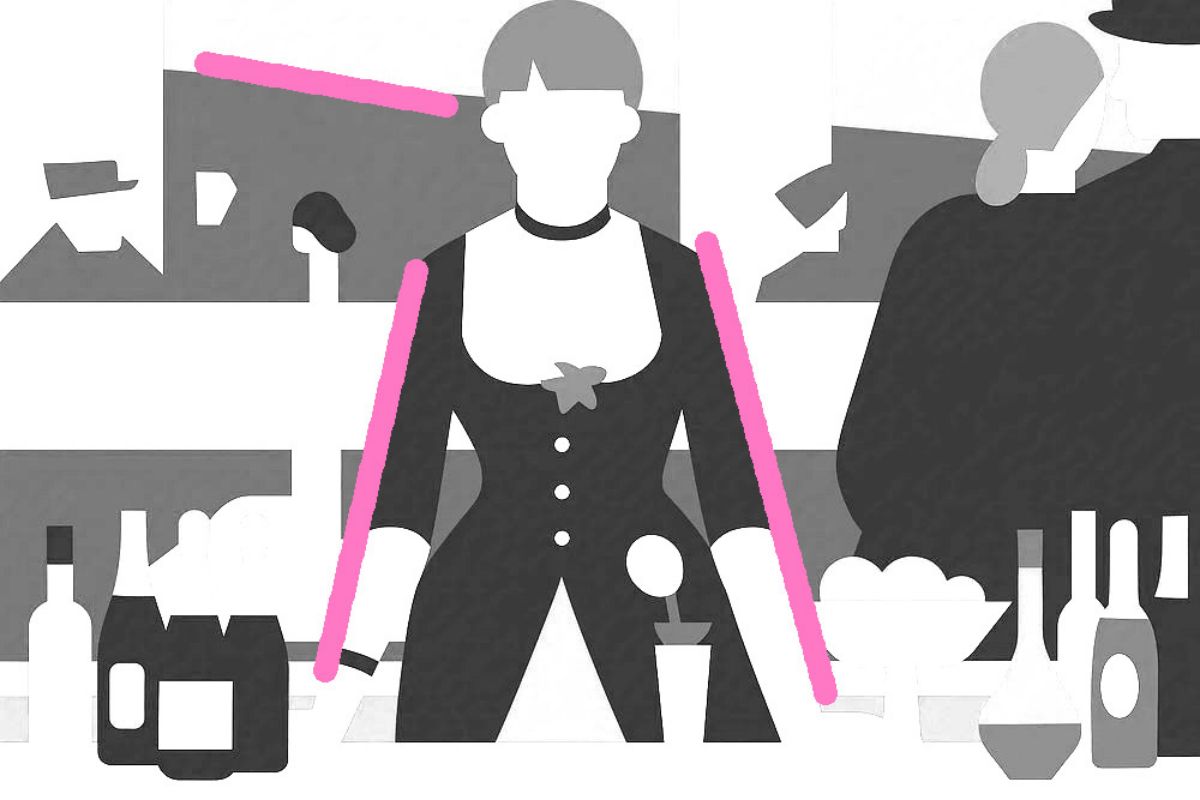
Values oppose the light of the face and bodice to the depth of the reflected background. The mirror creates a double reading: the viewer sees the barmaid frontally and her reflection from behind. Vertical bottle lines and the table’s diagonals structure space while enhancing ambiguity. The balance between light zones and dark reflections sustains tension between reality and illusion.
Focal point and play of mirrors
The focal point lies in the barmaid’s illuminated, frontal face. Yet the mirror behind her distorts perception: her displaced reflection and the unseen client introduce a visual ambiguity that captivates and unsettles. The bottles’ verticals and the counter’s diagonal lead the gaze while reinforcing this illusionary play.
Atmosphere and message
Through contrasts of value, a strong central focal point, and a structured composition, Manet expresses the ambiguity of modern life. The barmaid embodies both distance and immediacy, while the mirror questions perceived reality. The painting becomes a reflection on art, illusion, and urban experience.
A copyist’s eye
Copying this painting means balancing unstable lights. Each tone must respond without merging — the glass’s transparency, the bodice’s brightness, the background’s depth. The mirror’s double reading must remain legible yet fluid. The brushwork stays precise but alive. In painting it, one realizes Manet isn’t seeking likeness — he’s interrogating vision itself: what it shows, and what it reflects.
This pictorial approach also informs the copies of Edouard Manet’s works created in my studio.
Going Further
ARTISTE DE PARIS
Christian Denéchaud, artiste peintre
50 avenue des Champs Elysées
75008 Paris
SIRET 452248461
FR90452248461
.png?t=)
© Artiste de Paris . fr - 2026