
Cézanne’s The Boy in the Red Vest: pictorial analysis and modern reading
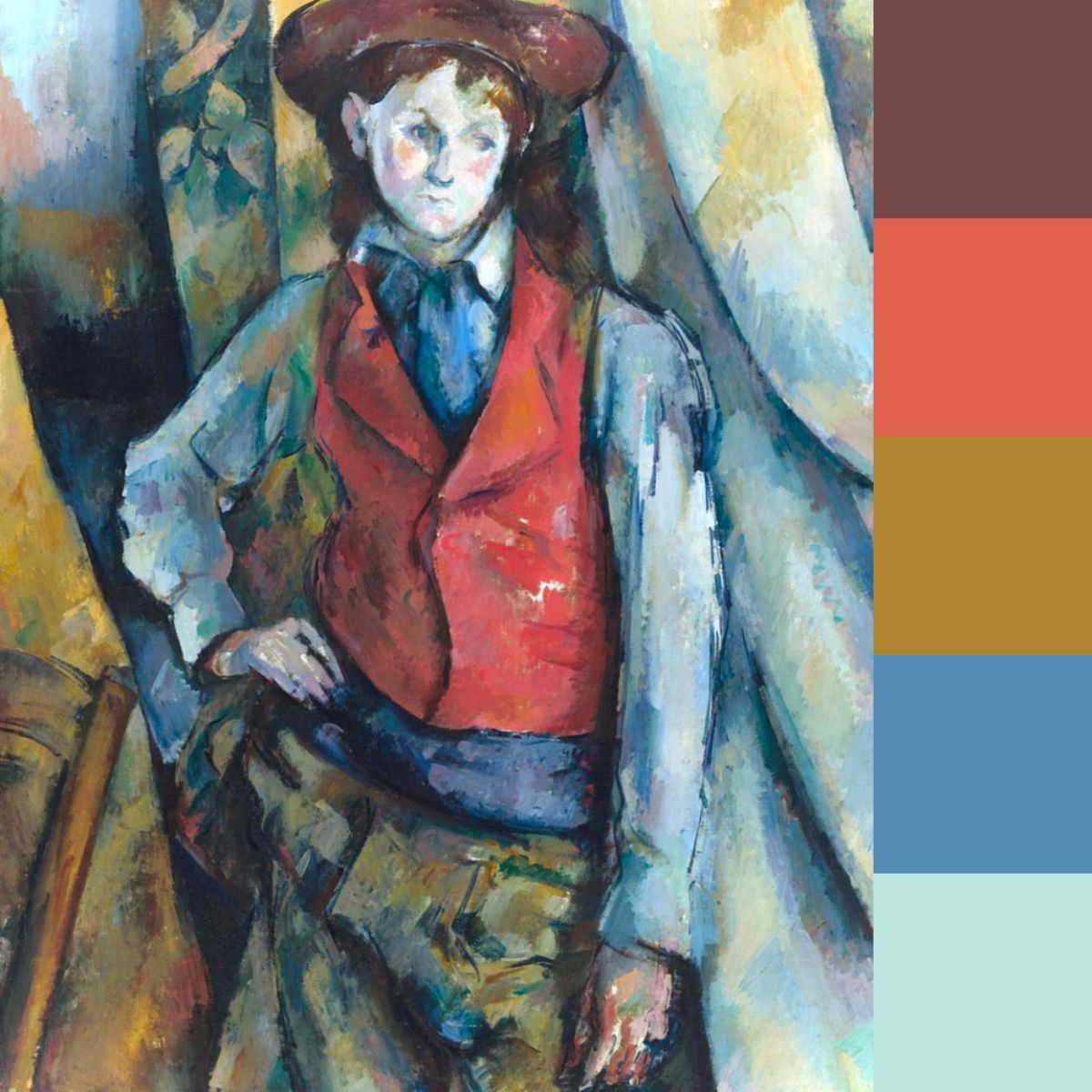
Painted between 1888 and 1890, The Boy in the Red Vest reflects Cézanne’s mature approach. He builds the human figure with the same rigor as his landscapes, turning portraiture into a study of volumes and color relations. This emblematic work illustrates the transition from impressionism to the structured modernity of the 20th century.
This work may also be reproduced as a hand-painted copy, based on the original and respecting its color and composition.
Visual reading and composition
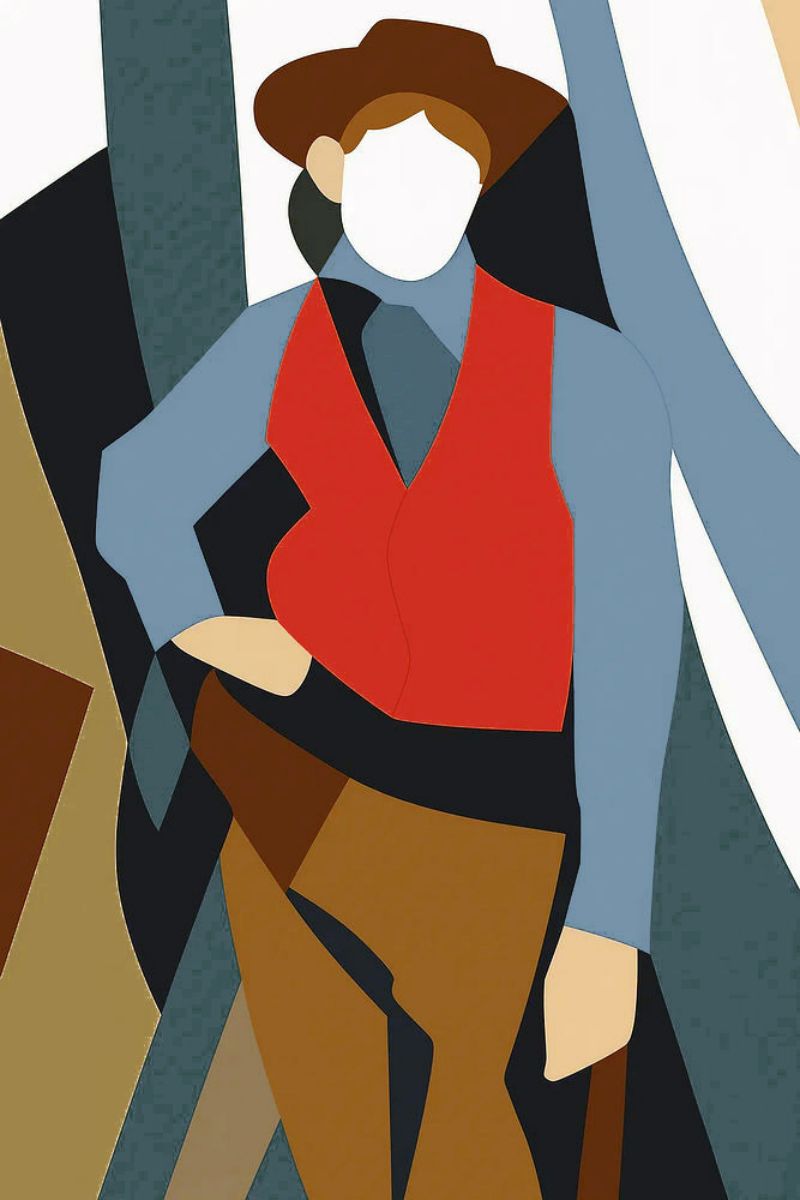
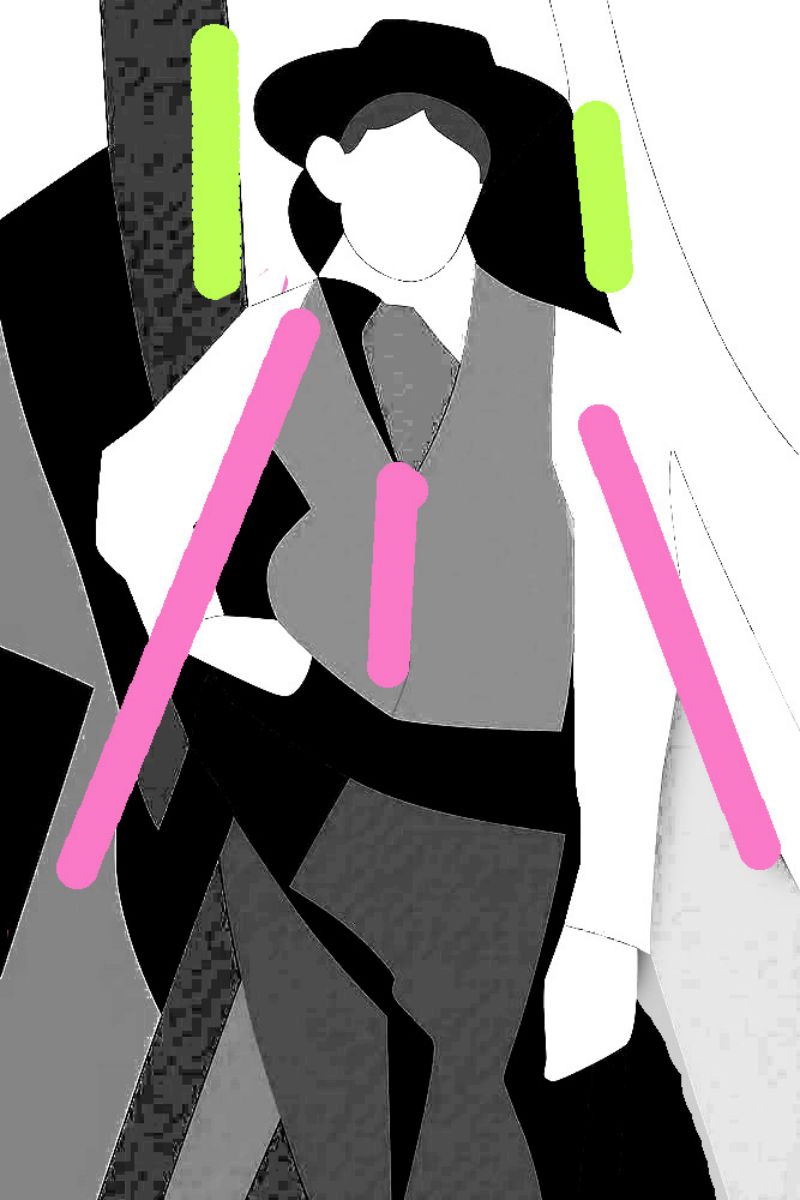
Values oppose the vivid red vest to the darker background, organizing depth. The diagonal of the body and the tilt of the head create balance between tension and calm. Modulated shadows sculpt the figure without breaking chromatic unity. Composition rests on geometric construction of volumes: everything is built, nothing decorative.
Focal point and orientation of the gaze
The focal point concentrates on the boy’s face, framed by the vest’s bright red and the body’s inclination. Oblique lines of arms and garment folds direct the eye to this central zone. Chromatic contrast between red and cooler tones further strengthens attention.
Atmosphere and message
By combining value contrasts, focus on the face, and geometric structuring, Cézanne goes beyond naturalist portraiture. The work seeks stability and pictorial construction, foreshadowing cubist experiments and 20th-century modernity.
A copyist’s eye
Copying this Cézanne means painting density more than likeness. Each plane needs a just tone, laid without excessive mixing, to preserve volume cohesion. The red vest acts as a visual axis; model it without harsh glare. Advance the brush slowly, structuring space through small masses. One understands that light here does not merely illuminate: it builds.
This pictorial approach also informs the copies of Paul Cézanne’s works created in my studio.
Going Further
ARTISTE DE PARIS
Christian Denéchaud, artiste peintre
50 avenue des Champs Elysées
75008 Paris
SIRET 452248461
FR90452248461
.png?t=)
© Artiste de Paris . fr - 2026