
Cézanne’s Smoker with a Pipe: analysis and pictorial reading
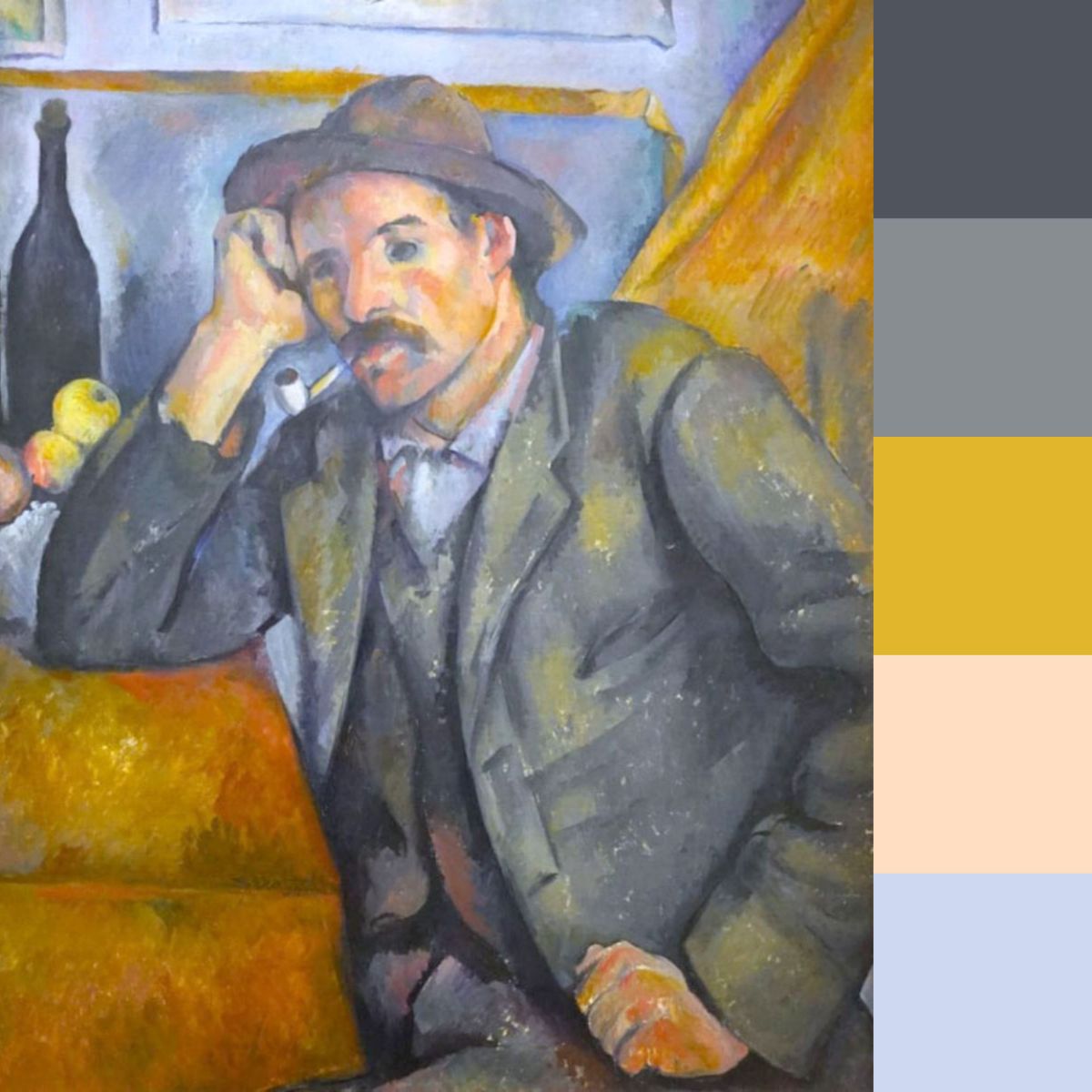
Painted in the 1890s, Smoker with a Pipe belongs to silent portraits where Cézanne builds reality through tone and form relations. Far from anecdote, he renders human presence via structure, light, and matter.
This work may also be reproduced as a hand-painted copy, based on the original and respecting its color and composition.
Visual reading and composition
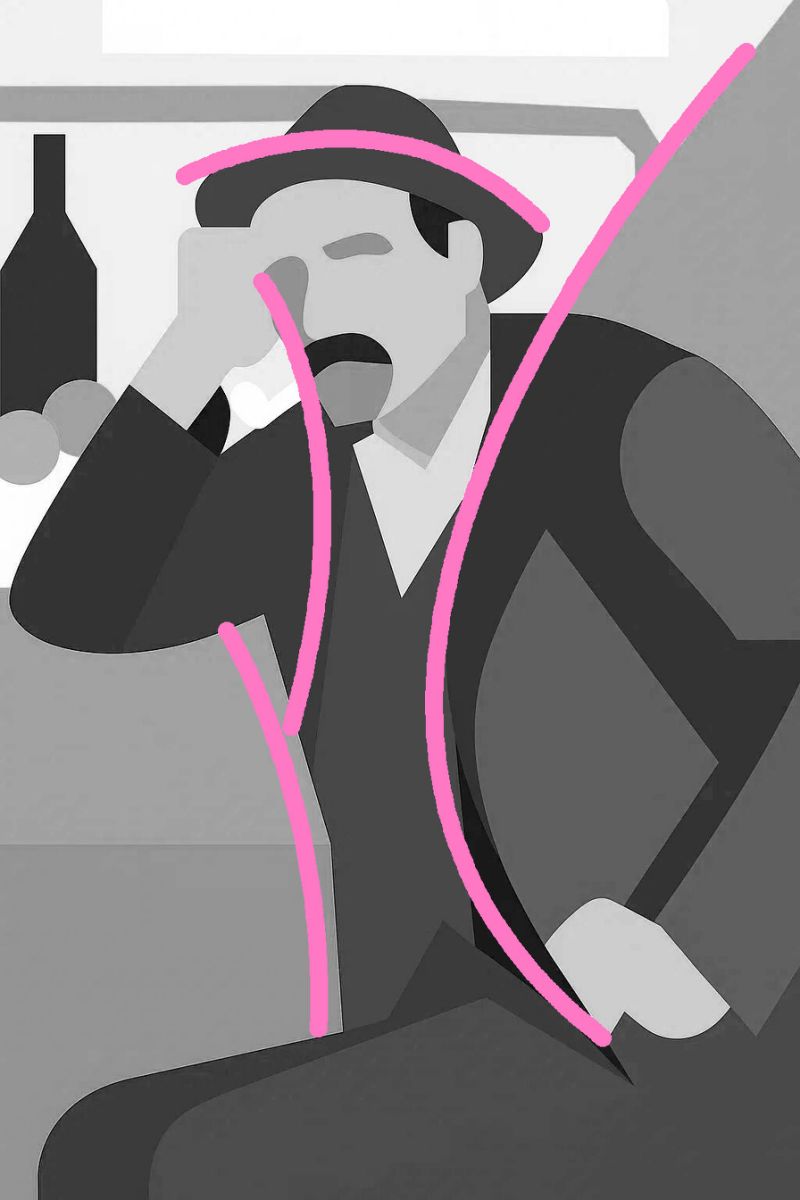
Values are ranked from the lit face and hands to dark masses of background and clothing. This contrast directs the gaze to the face, the picture’s gravity center. Simplified, angular forms show Cézanne’s will to build painting as solid volumes. Balance between dark surfaces and bright details sets a calm, contained rhythm.
Focal role and form construction
The focal point concentrates on the face and pipe, isolated by value contrast and geometric contours. Simplified, angular forms embody Cézanne’s reconstruction of nature into volumes. Large dark areas answer small light details, creating a sober yet powerful rhythm.
Quiet, reflective atmosphere
Controlled values, precise focus, and rigorous forms convey calm concentration. Cézanne exalts a humble scene into solid, timeless construction, opening paths to modern inquiries into painting.
A copyist’s eye
Copying Smoker with a Pipe learns Cézanne’s breath and slowness. Adjust each plane gently; color builds volume more than line. Middle tones, seemingly dull, carry the picture’s vibration. Keep density without losing light. Cézanne does not observe a model: he erects a presence.
This pictorial approach also informs the copies of Paul Cézanne’s works created in my studio.
Going Further

ARTISTE DE PARIS
Christian Denéchaud, artiste peintre
50 avenue des Champs Elysées
75008 Paris
SIRET 452248461
FR90452248461
.png?t=)
© Artiste de Paris . fr - 2026