
Monet’s The Magpie: pictorial analysis and Impressionist reading
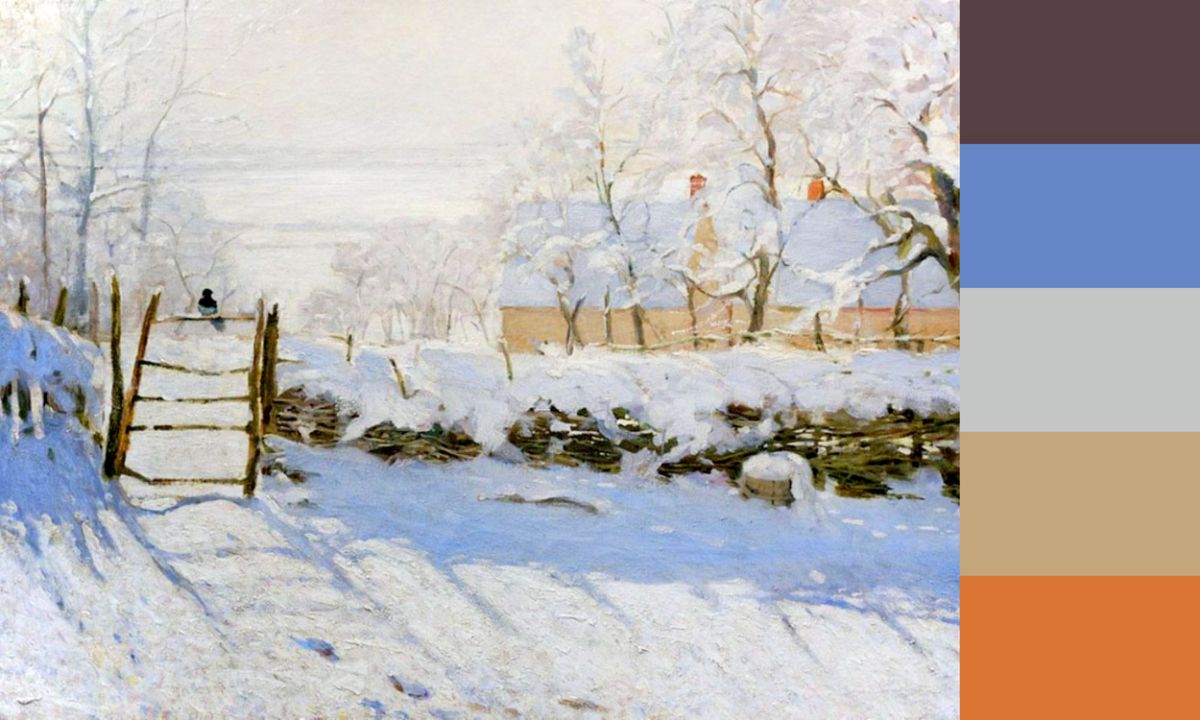
Painted during the winter of 1868–1869, The Magpie marks a major step in Monet’s exploration of light and snow. Working outdoors, he studied bluish reflections and subtle variations of shadow on whiteness. This quiet landscape already announces the Impressionist revolution through its clarity and apparent simplicity.
This work may also be reproduced as a hand-painted copy, based on the original and respecting its color and composition.
Visual reading and composition
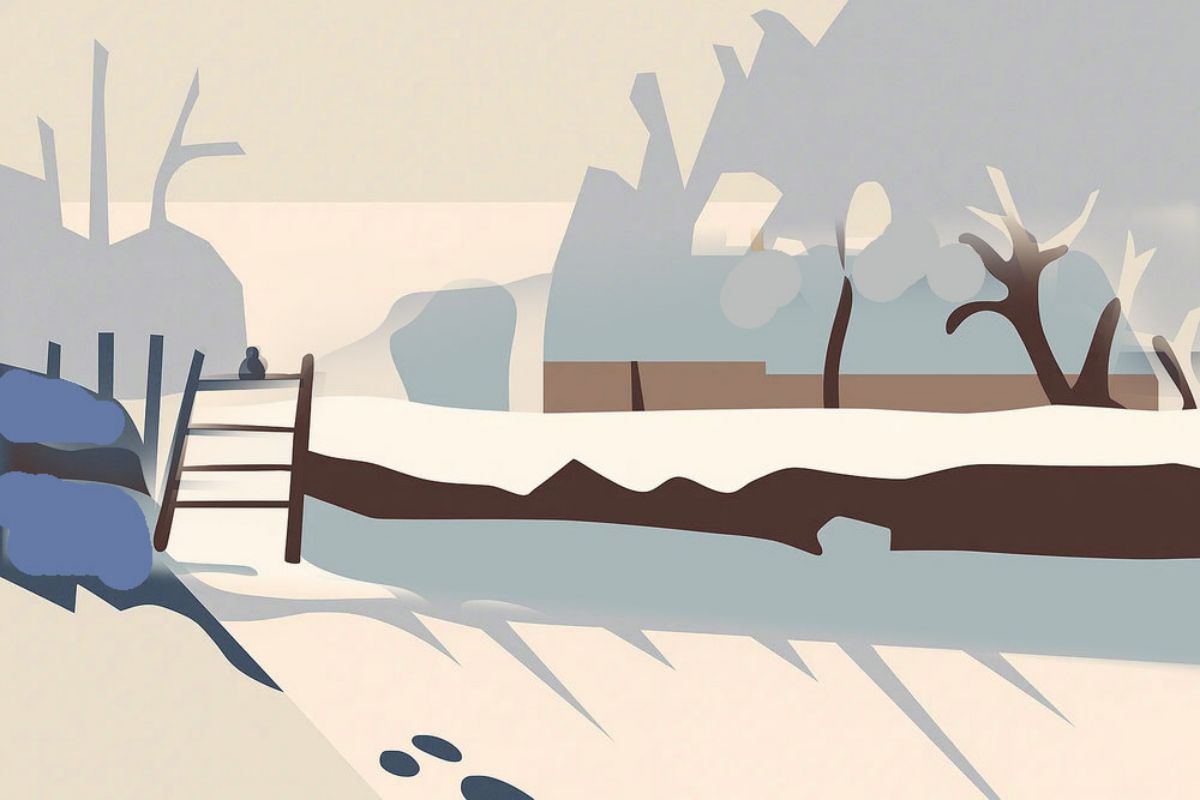
The light masses of snow dominate the composition, structured by bluish shadows and the dark lines of the trees. The slightly oblique wooden fence anchors the depth of the scene. The small black silhouette of the magpie, perched along this line, creates a discreet yet essential visual centre. Everything relies on the accuracy of the values and the coherence of the visual rhythm.
Focal point and organisation of the gaze
The focal point lies on the magpie perched on the wooden fence: a small dark figure standing out against the vast expanse of light. The horizontal fence and the vertical trees guide the eye toward this detail, giving scale and focus to the scene. The balance between simplicity and precision structures the reading.
Atmosphere and visual message
Combining broad luminous values, a minimalist focal point and purified forms, Monet captures the essence of a silent winter landscape. The painting expresses the poetry of a suspended moment, where the fragile presence of the bird underscores the harmony between nature and light. The work becomes an Impressionist meditation on simplicity and the beauty of the everyday.
A copyist’s eye
Copying The Magpie means learning restraint. Whites are never pure: they shift into cool greys and soft blues. Shadows must breathe without weighing down the snow. The simple, open composition imposes a calm rhythm in which the magpie becomes a visual pause. While painting, one realises that light here does not illuminate — it inhabits the silence of the world.
This pictorial approach also informs the copies of Claude Monet’s works created in my studio.
Going Further

ARTISTE DE PARIS
Christian Denéchaud, artiste peintre
50 avenue des Champs Elysées
75008 Paris
SIRET 452248461
FR90452248461
.png?t=)
© Artiste de Paris . fr - 2026